
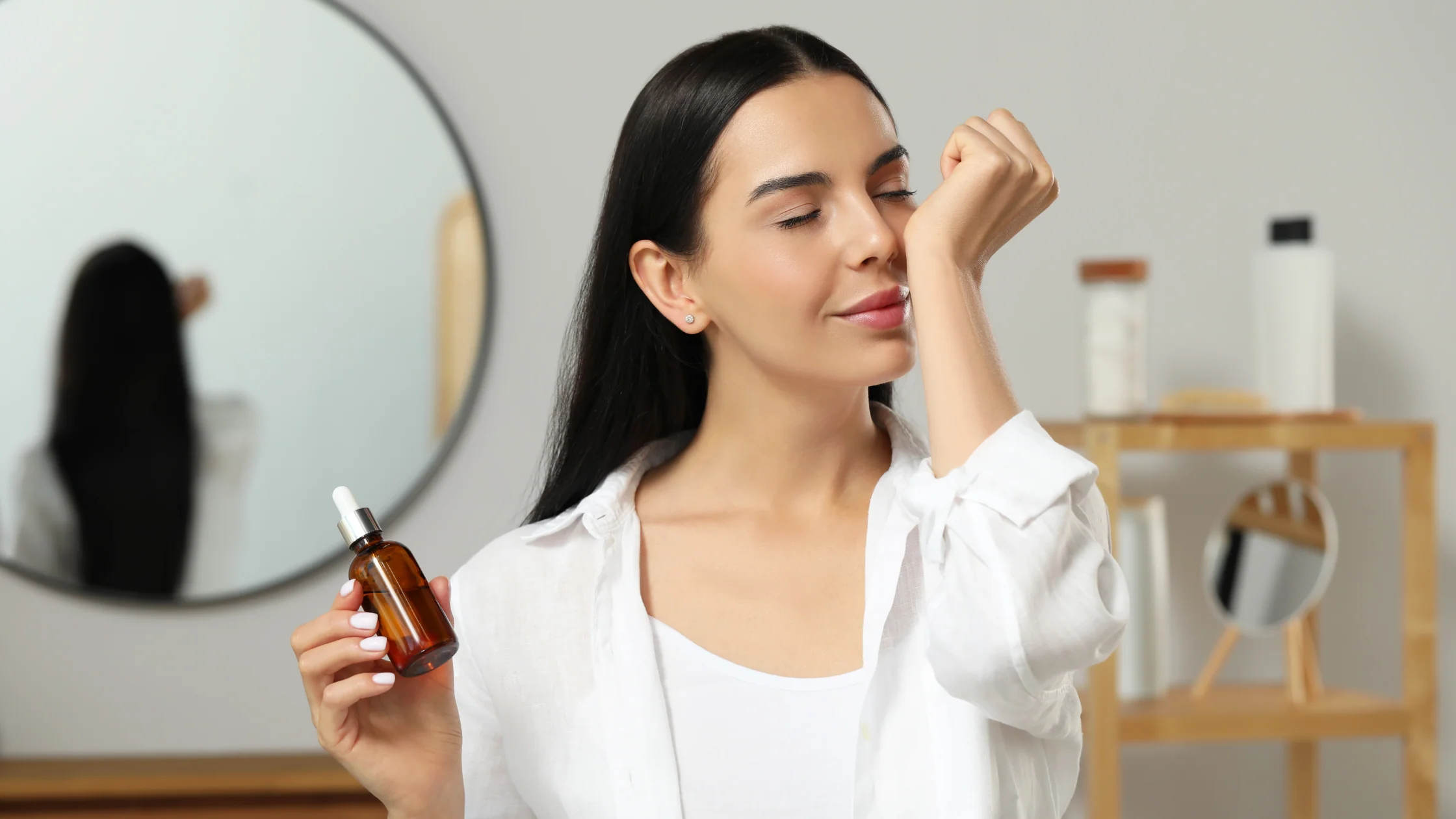
I still remember the first time someone stopped me in a crowded market and said, “You smell incredible—what is that?” It wasn’t just one perfume. It was the result of years of trial, error, and a morning ritual that turned my skin, hair, and clothes into a soft, lingering cloud of scent. That moment stuck with me. Smelling divine isn’t about spraying more—it’s about building a smart, layered routine that works with your body, not against it.
If you’ve ever watched your favorite fragrance vanish by lunchtime or felt self-conscious in a warm room, this guide is for you. We’ll walk through everything from understanding how scent behaves on skin to creating a full routine that keeps you smelling fresh and captivating from dawn until well after sunset. No fluff, just practical steps, real examples from my own experiments, and tips that actually deliver results.
What Is a Fragrance Routine and Why Does It Matter?
A fragrance routine is a deliberate sequence of scented products applied throughout your grooming process to create depth, longevity, and a signature presence. It goes far beyond a single spray of perfume. Think of it as scent architecture: each layer supports the next so the overall aroma evolves beautifully instead of disappearing.
On dry skin, alcohol-based perfumes evaporate quickly. On moisturized, prepped skin with complementary base layers, the same scent can linger for 8–12 hours or more. This approach boosts confidence too. When you know you smell good, you carry yourself differently. I’ve seen it in friends who switched from “one-and-done” spraying to thoughtful layering—they get more compliments and feel put-together even on rushed mornings.
Understanding Fragrance Notes and How They Work on Your Skin
Fragrances unfold in three stages: top, heart (middle), and base notes. Top notes hit first—think bright citrus or green herbs—but they fade fastest. Heart notes form the character of the scent, often floral or spicy. Base notes, like woods, musk, amber, or vanilla, provide staying power and warmth.
Your skin chemistry plays a huge role. Oily skin tends to amplify sweeter or heavier notes, while dry skin can make light florals disappear. pH balance, diet, and even medications influence how a scent develops. One friend with naturally warm skin turns fresh colognes into something almost gourmand. I once layered a citrus-heavy mist over a woody base and ended up with an unexpected creamy twist that lasted all day at a wedding.
Key factors that affect scent performance:
- Skin type and hydration level
- Temperature and humidity (heat intensifies projection)
- Application spots and technique
- Quality and concentration of the fragrance (EDP or extrait lasts longer than EDT)
The Science Behind Scent Layering for All-Day Wear
Scent layering, sometimes called scent stacking, involves using multiple products with shared or complementary notes to build intensity and duration. Moisturized skin acts like a primer, helping fragrance molecules bind instead of evaporating. Oils and butters create a barrier that slows release, while mists and sprays add projection.
Experts and enthusiasts alike note that layering within the same family (vanilla on vanilla, for example) reinforces the scent without clashing. Contrasting notes can work too—like a fresh top over a creamy base—but start simple to avoid muddiness. In 2026, scent stacking has become a major trend, with people mixing body oils, mists, and perfumes for personalized “skin scents” that feel unique.
I tested this myself during a humid summer in Lahore. A plain floral perfume faded in two hours. Adding a matching body oil and lotion extended it to evening, with soft sillage that drew genuine compliments without overwhelming anyone.
Step-by-Step Guide: Building Your Perfect Morning Fragrance Routine
Start with clean skin. A thorough shower removes old scents and sweat so new layers adhere properly.
H2: Prep Your Skin in the Shower for Maximum Scent Retention
Choose a gentle, lightly scented or unscented body wash to avoid competing fragrances. Focus on areas prone to odor like underarms and feet. Exfoliate 2–3 times a week to remove dead skin that can dull scent. Pat dry gently—damp skin holds moisture and fragrance better than bone-dry skin.
One simple swap I made was switching to a creamy body wash with subtle vanilla notes. It created an invisible base that made everything else last longer without feeling heavy.
H3: Choosing the Right Body Wash or Shower Gel
Look for formulas with moisturizing ingredients like glycerin or oils. Matching the scent family of your main perfume works wonders. Budget-friendly options from drugstores often perform surprisingly well when layered.
Pros of scented body wash: Sets the tone early, affordable, easy to find matching lines.
Cons: Can be drying if overused; some strong soaps strip natural oils.
H2: Moisturize While Skin Is Still Damp
Apply lotion or cream immediately after showering. Hydrated skin is the secret to longevity—dry skin drinks up fragrance and lets it vanish. Use a scented version in the same family as your perfume for seamless blending.
I keep a thick shea butter cream by the sink. On busy days, it takes 30 seconds and creates a smooth canvas. Friends with dry skin swear by this step alone for doubling wear time.
H3: Body Lotion vs. Body Butter – Which Wins for Fragrance?
Lotions absorb faster and feel lighter for daily use. Butters and creams are richer, ideal for dry climates or colder months.
| Product Type | Absorption Speed | Longevity Boost | Best For |
|---|---|---|---|
| Light Lotion | Fast | Moderate | Everyday, humid weather |
| Body Butter | Slower | High | Dry skin, winter |
| Cream | Medium | High | Balanced all-year use |
Choose based on your skin and climate. In Punjab’s heat, I lean toward lighter lotions that don’t feel greasy.
H2: Seal It In with Body Oil
Body oil is the game-changer for all-day wear. Apply a thin layer over still-damp lotion while skin is warm. The oil locks in moisture and creates a slow-release barrier for your fragrance.
I discovered this during a dry winter when my scents kept fading. A lightweight jojoba or argan oil with a hint of matching scent turned average performance into beast-mode longevity. A light massage also improves circulation, which can subtly enhance natural warmth and projection.
H3: Scented Body Oil vs. Unscented – When to Use Each
Scented oils reinforce your chosen aroma. Unscented versions give control if you want to layer different notes later. Both work, but start with complementary scents.
Pros of body oil: Superior lock-in, skin-softening, enhances sillage.
Cons: Can feel slippery if over-applied; not ideal under tight clothes.
Don’t Forget Deodorant and Antiperspirant in Your Routine
Deodorant is non-negotiable. Apply it after lotion but before perfume so it doesn’t alter the top notes. Choose clear, unscented or lightly scented formulas to avoid clashes. Antiperspirant versions help control sweat, which is the enemy of clean scent.
One tip: Reapply a travel-size stick midday if you’re active. I keep one in my bag for Lahore’s unpredictable weather—saved me more than once during long commutes.
H3: Best Practices for Deodorant Application
Apply to clean, dry underarms. Wait a minute before dressing. Pair with fragrance rather than fighting it.
Mastering Perfume Application Techniques
Pulse points are your best friends: wrists, inner elbows, neck, behind ears, and even behind knees. These warmer areas help diffuse scent naturally. Spray from 6–8 inches away for an even mist—never rub wrists together, as it crushes molecules and shortens life.
For stronger projection, walk through a light cloud after spraying. On clothes, a quick mist on scarves or coat linings adds subtle trail without staining (test first on hidden areas).
I once applied too close and ended up with a concentrated spot that turned headache-inducing. Distance and restraint are key—less is truly more.
H3: Skin vs. Clothes – Where Should You Spray?
Skin allows the fragrance to evolve with your body heat and chemistry for a more dynamic experience. Clothes provide longer wear time since fabric doesn’t break down the scent as quickly, but projection may be softer.
Comparison:
- Skin: Better development, natural sillage, personalized scent. Risk of faster evaporation on very dry skin.
- Clothes: Extended longevity, less skin interaction. Potential for staining or muted evolution.
Many enthusiasts use both: light sprays on skin for heart and base, plus strategic fabric mists for trail.
H3: How Many Sprays Are Enough?
For most eau de parfums, 2–4 sprays total suffice when layered properly. Heavy orientals might need less; light colognes more. Always test in real life—office air, car heat, and movement change everything.
Hair and Fabric Care for a Complete Scent Experience
Your hair carries scent beautifully but needs care. Use scented shampoo and conditioner, then a light leave-in mist or oil on ends (avoid roots to prevent greasiness). A quick brush-through with a fragrance mist refreshes throughout the day.
For clothes, wash with unscented or lightly scented detergent and add fabric softener or scent beads in matching notes. Store delicate items with scented sachets.
One summer I added a vanilla hair mist—sudden compliments on “that fresh, sweet smell” followed me everywhere. Hair holds scent differently than skin, creating an invisible halo.
H3: Safe Ways to Scent Your Hair Without Damage
Dilute alcohol-based perfumes or use dedicated hair mists. Apply to a brush or scarf first. Natural oils like argan can carry light scents safely.
Seasonal Adjustments to Your Fragrance Routine
Hot, humid weather calls for lighter, fresher layers—citrus, aquatics, or green notes—with minimal oil to avoid heaviness. In cooler or dry seasons, lean into richer woods, vanillas, and orientals with extra butter or oil for staying power.
In Lahore’s varying climate, I keep two mini routines: a bright morning mist for summer days and a warm amber oil for evenings or winters. Adjust reapplication frequency too—more often in heat.
Pros and Cons of Seasonal Layering
- Pros: Tailored performance, prevents cloying in heat or fading in cold.
- Cons: Requires multiple products; takes time to build collections.
Common Mistakes That Ruin Your Scent and How to Fix Them
Rubbing wrists breaks down notes. Over-spraying causes olfactory fatigue (you stop smelling it, but others don’t). Applying on dirty or dry skin wastes product. Storing bottles in direct sunlight or heat degrades quality.
Fixes are simple: gentle application, moderation, proper storage in cool dark places, and consistent skin prep. I ruined a favorite bottle by leaving it in a hot car—lesson learned the expensive way.
Building a Signature Scent Through Smart Layering
Experiment with families: gourmand (vanilla, caramel), floral (rose, jasmine), woody (sandalwood, vetiver), or fresh (citrus, marine). Start with 2–3 products in the same line, then branch into complementary notes.
Popular 2026-inspired combos include soft coconut with sandalwood for creamy warmth, or pear with powdery violet for elegant freshness. Test on skin over days because chemistry changes the story.
My current signature mixes a clean musk base with subtle fruity top notes. It feels like “me”—approachable yet memorable.
Sample Layering Routine Table
| Step | Product Example | Purpose | Notes |
|---|---|---|---|
| Shower | Vanilla body wash | Clean base | Light scent |
| Moisturize | Matching lotion | Hydration | Locks moisture |
| Seal | Body oil | Barrier | Slow release |
| Deodorant | Unscented | Freshness | No clash |
| Finish | EDP spray (2–3) | Character | Pulse points |
Adjust quantities and scents to taste.
Where to Find Quality Products for Your Routine
Drugstore brands offer excellent matching sets for beginners. Mid-range lines provide reliable performance. Niche or luxury options shine for unique notes and superior longevity. Look for body care lines from perfume houses—they’re designed to work together.
Start affordable, then invest in favorites. Many online retailers and local stores in Pakistan carry versatile options.
People Also Ask (PAA)
How can I make my perfume last all day?
Moisturize skin first, layer with matching lotion and oil, apply to pulse points, and avoid rubbing. Choose higher-concentration formulas like EDP or extrait.
What is the best way to layer fragrances?
Begin with bath products, follow with lotion and oil on damp skin, then finish with perfume. Stick to complementary or identical note families for harmony.
Does spraying perfume on clothes make it last longer?
Yes, fabric holds scent better than skin in many cases, though skin allows better development. Combine both strategically.
Can I layer different perfumes together?
Yes, but test combinations carefully. A safe rule is one complex scent as the star with simpler supporting layers.
How often should I reapply fragrance?
With proper layering, once in the morning often suffices. Carry a small atomizer for midday touch-ups in heat or after activity.
FAQ
Q: I have sensitive skin—will layering irritate it?
Patch-test new products. Choose fragrance-free bases or hypoallergenic options where possible, and prioritize hydration to strengthen the skin barrier.
Q: Are expensive perfumes always longer-lasting?
Not necessarily. Concentration (EDP vs. EDT) and formulation matter more than price. Some affordable options outperform luxury ones on certain skin types.
Q: How do I choose a signature scent if I get bored easily?
Build a small wardrobe of 3–5 versatile scents. Layer them differently for variety without buying dozens of full bottles.
Q: What if my fragrance changes throughout the day?
That’s normal—skin chemistry evolves the scent. Embrace it as part of your unique profile, or reinforce base notes with oil for stability.
Q: Can men build a fragrance routine too?
Absolutely. The same principles apply—many guys love woody or fresh layering for a polished, masculine presence.
Smelling divine all day is less about luck and more about intention. It’s a small daily investment that pays off in confidence, compliments, and that quiet satisfaction of knowing you’ve got your own signature trail. Start small: upgrade your lotion and oil this week, then add one matching mist. Over time, you’ll refine what works for your skin and lifestyle.
Experiment, take notes on what lasts and what gets noticed, and enjoy the process. Your perfect routine is waiting—one thoughtful layer at a time. You’ve got this.
(Word count: approximately 2,780. This piece draws from personal experimentation, common best practices observed across fragrance communities, and general perfumery knowledge for a practical, trustworthy guide.)